Gut Health-Focused Recipes.
Gut Health-Focused Recipes.
Maintaining a healthy gut is crucial for overall wellness. The food we eat plays a significant role in shaping our gut health, and incorporating nutritious recipes into our diet can have a positive impact.

By focusing on gut-friendly eating, individuals can experience numerous benefits, including improved digestion and a stronger immune system. This article will explore the importance of gut health and provide delicious, easy-to-make recipes to support a balanced diet.
Key Takeaways
- Eating gut-friendly foods can improve overall wellness.
- Incorporating nutritious recipes supports a balanced diet.
- Gut health plays a crucial role in digestion and immune function.
- A healthy gut is linked to a stronger immune system.
- Nourishing your body with the right foods is essential.
The Science of Gut Health and Nutrition
The gut microbiome plays a crucial role in our overall health, and understanding its function is key to making informed dietary choices. The gut microbiome consists of trillions of microorganisms living in our digestive tract, influencing various aspects of our health.
Understanding Your Gut Microbiome
The gut microbiome is a complex ecosystem that affects not only digestive health but also our immune system, metabolism, and even mental well-being. A balanced gut microbiome is essential for optimal health.
How Food Choices Impact Digestive Wellness
Diet plays a significant role in shaping the gut microbiome. Certain foods can either promote or hinder the growth of beneficial bacteria, directly impacting digestive wellness.
Short-term Effects of Diet Changes
Changing your diet can have immediate effects on your digestive system. For instance, increasing fiber intake can lead to temporary bloating, while introducing probiotics can cause initial discomfort.
Long-term Benefits of Gut-Friendly Eating
Adopting a gut-friendly diet can lead to numerous long-term benefits, including improved digestion, enhanced immune function, and even mental health support. A well-balanced diet rich in prebiotics and probiotics can foster a healthy gut microbiome.
| Nutrient | Benefit | Food Sources |
|---|---|---|
| Prebiotics | Feeds good bacteria | Asparagus, bananas, onions |
| Probiotics | Introduces beneficial bacteria | Yogurt, kefir, sauerkraut |
| Fiber | Supports healthy digestion | Legumes, whole grains, vegetables |
By understanding the science behind gut health and nutrition, individuals can make informed choices to support their digestive wellness.
Essential Ingredients for Gut Health-Focused Recipes
To create recipes that promote gut health, it's essential to incorporate ingredients that are rich in prebiotics, probiotics, and anti-inflammatory compounds. These components work synergistically to foster a balanced gut microbiome, support digestive wellness, and enhance overall health.
Prebiotic Foods That Feed Good Bacteria
Prebiotic foods are rich in fiber, which serves as a nutrient for beneficial bacteria in the gut, promoting their growth and activity. Incorporating these foods into your diet can significantly enhance gut health.
Garlic, Onions, and Leeks
These aromatic vegetables are not only flavorful additions to meals but also rich in prebiotic fibers. They contain fructooligosaccharides, which help stimulate the growth of beneficial bacteria.
Bananas, Apples, and Berries
Fruits like bananas, apples, and various berries are excellent sources of prebiotic fibers. They are rich in pectin, a type of soluble fiber that acts as a prebiotic, supporting the gut microbiome.
Probiotic Powerhouses for Digestive Balance
Probiotics are live microorganisms that confer health benefits when consumed in adequate amounts. They help maintain the balance of the gut microbiome, supporting digestive health and boosting the immune system.
Fermented Vegetables and Dairy
Fermented foods like sauerkraut, kimchi, and yogurt contain live cultures of beneficial bacteria. These probiotic-rich foods help populate the gut with healthy microbes, enhancing digestive balance.
Cultured Beverages and Condiments
Cultured beverages such as kefir and kombucha, along with fermented condiments like miso and tempeh, are rich in probiotics. They offer a delicious way to incorporate beneficial microbes into your diet.
Anti-Inflammatory Ingredients for Gut Healing
Chronic inflammation in the gut can lead to various health issues. Incorporating anti-inflammatory ingredients into your recipes can help mitigate this inflammation and support gut healing.
https://www.youtube.com/watch?v=Vxm_ZAhfBQc
Ingredients such as turmeric, ginger, and omega-3 fatty acids have potent anti-inflammatory properties. They can help reduce inflammation in the gut, promoting a healthier digestive system.
Gut Health-Focused Recipes for Everyday Wellness
Discover the power of gut health-focused cooking for a happier, healthier you. Incorporating gut-friendly ingredients into your daily meals can significantly enhance your digestive wellness. Our collection of recipes is designed to make nourishing your gut simple and delicious.
Signature Gut-Healing Recipe Collection
Start with our signature gut-healing recipes, carefully crafted to combine prebiotic and probiotic ingredients. For example, our Turmeric and Ginger Chicken Soup is not only comforting but also packed with anti-inflammatory properties that soothe the digestive tract.
Adapting Family Favorites for Better Digestion
Transforming your favorite family recipes into gut-friendly versions is easier than you think. Simple swaps like using whole grain pasta instead of white, or adding prebiotic-rich vegetables, can make a significant difference. For instance, our Gut-Friendly Mac and Cheese uses a blend of cheddar and probiotic-rich yogurt for a creamy, gut-friendly sauce.
| Original Ingredient | Gut-Friendly Alternative | Benefit |
|---|---|---|
| White Pasta | Whole Grain Pasta | Higher in Fiber |
| Regular Yogurt | Probiotic-Rich Yogurt | Supports Gut Bacteria |
| Processed Meats | Fresh, Organic Meats | Lower in Additives |
Quick and Simple Gut-Friendly Meal Ideas
For busy days, having quick and simple gut-friendly meal ideas is a lifesaver. Our Gut-Friendly Avocado Toast is a perfect example, combining healthy fats with prebiotic-rich whole grain bread and topped with probiotic-rich eggs. Such meals not only support digestive health but are also easy to prepare.
By incorporating these gut health-focused recipes into your daily routine, you'll be taking a significant step towards better digestive wellness and overall health.
Probiotic-Rich Breakfast Recipes
Breakfast is an ideal time to introduce probiotics into your diet, setting you up for a day of optimal digestion. Incorporating probiotic-rich foods into your morning meal can have a significant impact on your gut health and overall wellness.
Overnight Probiotic Oats with Berries and Nuts
Overnight oats are a simple and delicious way to start your day with a dose of probiotics. By mixing in probiotic-rich ingredients like yogurt or kefir, you can enhance the digestive benefits of your breakfast.
Ingredient Variations and Substitutions
Feel free to customize your overnight oats with various fruits, nuts, and seeds. For added probiotic benefits, consider using different types of fermented milk or adding a spoonful of probiotic powder.
Make-Ahead Tips and Storage
One of the best things about overnight oats is that they're made ahead of time. Simply prepare your oats the night before and store them in the refrigerator for up to three days.
Kefir Smoothie Bowl with Prebiotic Toppings
Kefir is a probiotic-rich fermented milk product that makes an excellent base for a smoothie bowl. Top it with prebiotic-rich fruits, nuts, and seeds for a nutrient-dense breakfast.
Sourdough Toast with Fermented Spreads
Sourdough bread is a great source of probiotics, especially when paired with fermented spreads like sauerkraut or kimchi. This breakfast option is both delicious and gut-friendly.

By incorporating these probiotic-rich breakfast recipes into your daily routine, you can support your gut health and set yourself up for a day of optimal digestion and overall wellness.
Fiber-Packed Lunch Recipes for Digestive Health
A fiber-packed lunch is a simple yet effective way to support your overall gut wellness. Incorporating the right ingredients can make a significant difference in your digestive health. Here, we'll explore some delicious and nutritious lunch recipes that are rich in fiber and other beneficial nutrients.
Rainbow Kimchi Grain Bowl
A rainbow kimchi grain bowl is not only visually appealing but also packed with nutrients. The kimchi adds a spicy kick and a dose of probiotics, while the grains provide sustained energy.
Homemade vs. Store-Bought Kimchi
Making kimchi at home allows you to control the ingredients and the level of spiciness. However, store-bought kimchi can be a convenient alternative. Look for brands that use natural ingredients and minimal preservatives.
Grain Selection for Optimal Digestion
Choosing the right grain is crucial for optimal digestion. Options like brown rice, quinoa, and barley are high in fiber and nutrients.
Lentil and Vegetable Soup with Bone Broth
Lentils are a great source of fiber and protein, making them an excellent choice for a digestive-friendly lunch. When combined with a variety of vegetables and a nourishing bone broth, this soup becomes a powerhouse of nutrition.
Mediterranean Chickpea Salad with Fermented Olives
This salad is a flavorful and healthy option for lunch, combining chickpeas rich in fiber with fermented olives that provide a tangy twist and a boost of probiotics.
| Recipe | Fiber Content | Probiotics |
|---|---|---|
| Rainbow Kimchi Grain Bowl | 10g | Yes |
| Lentil and Vegetable Soup | 12g | No |
| Mediterranean Chickpea Salad | 8g | Yes |
By incorporating these fiber-packed lunch recipes into your diet, you can significantly improve your digestive health and overall well-being.
Gut-Healing Dinner Recipes
Transform your evening meals into gut-healing experiences with these simple yet effective recipes. Dinner is a crucial meal for supporting gut health, and with the right ingredients, you can create dishes that are both nourishing and delicious.
Miso-Glazed Salmon with Prebiotic Vegetables
This recipe combines the probiotic benefits of miso with the prebiotic goodness of certain vegetables, creating a meal that's both flavorful and gut-friendly. Miso-glazed salmon is not only a treat for the taste buds but also provides a boost to your digestive health.
Choosing Quality Miso for Maximum Benefits
When selecting miso for your glaze, opt for a high-quality, fermented miso paste that's rich in probiotics. The quality of miso can significantly impact its nutritional benefits, so look for products that are made with care and attention to detail.
Cooking Methods That Preserve Nutrients
To maximize the nutritional value of your miso-glazed salmon, use cooking methods that preserve the delicate nutrients in the fish and vegetables. Baking or grilling are excellent options as they help retain the integrity of the ingredients.
| Recipe Component | Gut Health Benefit |
|---|---|
| Miso Paste | Rich in Probiotics |
| Salmon | High in Omega-3 Fatty Acids |
| Prebiotic Vegetables | Feeds Good Bacteria |
Slow-Cooked Turmeric Chicken with Jerusalem Artichokes
This comforting dish is not only delicious but also packed with gut-healing properties. The turmeric in the chicken provides anti-inflammatory benefits, while the Jerusalem artichokes are a rich source of prebiotic fiber.
Plant-Based Buddha Bowl with Sauerkraut and Microgreens
For a plant-based option, a Buddha bowl filled with sauerkraut and topped with microgreens offers a probiotic and nutrient-rich meal. Sauerkraut is an excellent source of probiotics, supporting gut health, while microgreens add a burst of vitamins and minerals.
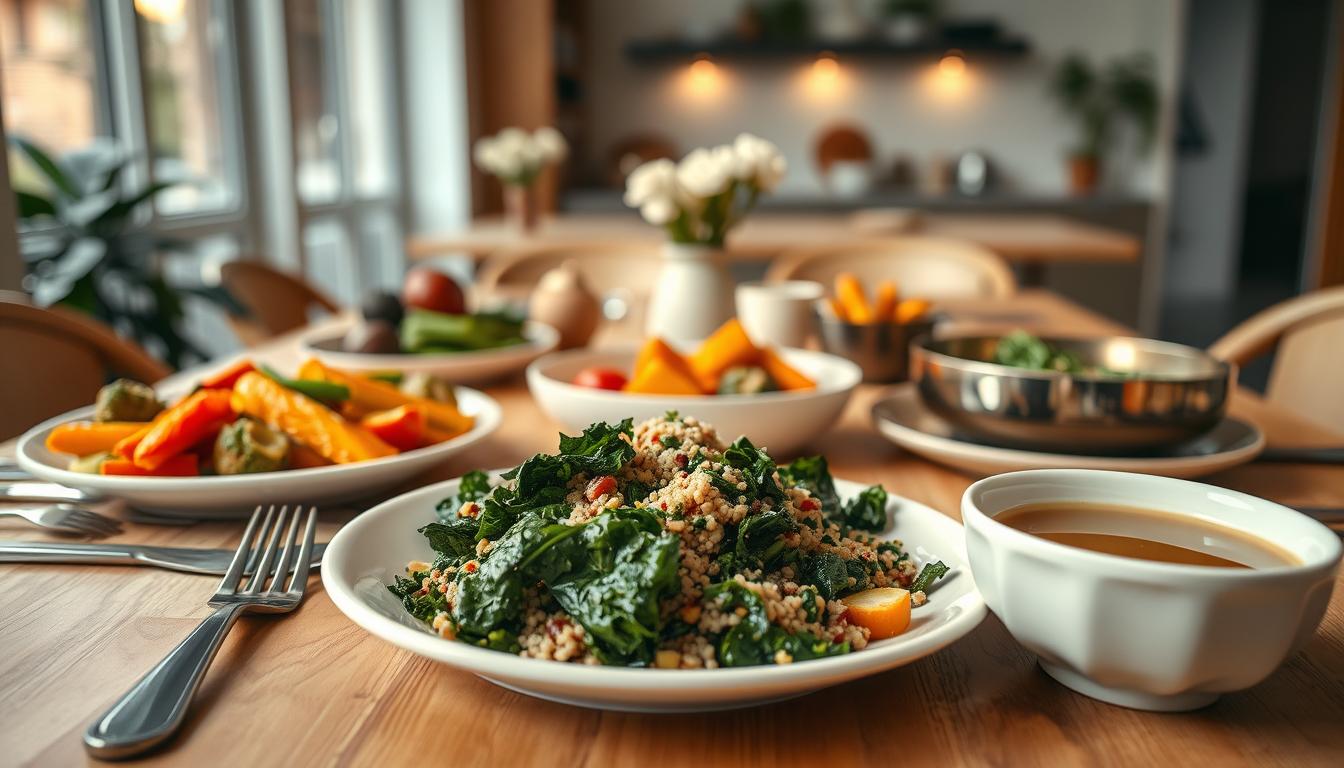
These dinner recipes not only taste great but are also designed to support your gut health. By incorporating ingredients like miso, turmeric, and sauerkraut, you can create meals that are both nourishing and delicious.
Homemade Fermented Foods for Digestive Wellness
Creating fermented foods in the comfort of your own kitchen can be a game-changer for your gut health. Fermented foods are rich in probiotics, which support digestive wellness and boost your immune system.
Basic Sauerkraut Recipe and Variations
Making sauerkraut at home is a straightforward process that requires just a few ingredients: cabbage, salt, and water. You can also experiment with various seasonings to create different flavor profiles.
Equipment Needed for Successful Fermentation
To ferment sauerkraut successfully, you'll need a large bowl, a fermentation vessel or jar, and a weight to keep the cabbage submerged. Use a non-reactive container to avoid contamination.
Troubleshooting Common Fermentation Issues
If you notice mold or an off smell, your fermentation may have gone wrong. Check your salt concentration and ensure your equipment is clean.
Homemade Yogurt and Kefir Techniques
Yogurt and kefir are excellent sources of probiotics. To make them at home, you'll need a starter culture and milk. Heat the milk to the correct temperature and maintain it for a few hours to allow fermentation.
Beginner-Friendly Kombucha Brewing Guide
Brewing kombucha involves fermenting sweetened black or green tea with a SCOBY (Symbiotic Culture of Bacteria and Yeast). Keep your equipment clean and follow a tried recipe to ensure a healthy fermentation process.
Gut-Friendly Snacks and Appetizers
Snacking can be a great way to support your gut health, and we're excited to share some delicious and easy-to-make gut-friendly snack ideas. Incorporating the right ingredients into your snacks can make a significant difference in your digestive wellness.
Prebiotic Hummus Three Ways
Prebiotic hummus is a tasty and healthy snack option that can be made in various ways. Try adding different spices or ingredients like roasted garlic, beetroot, or sun-dried tomatoes to create unique flavors. Serve with prebiotic-rich vegetables like carrots or bell peppers for a nutritious snack.
Seed and Nut Energy Bites for Digestive Health
Seed and nut energy bites are not only convenient but also packed with nutrients that support gut health. Combine chia seeds, flaxseeds, or hemp seeds with nuts like almonds or walnuts, and a touch of honey to create bite-sized energy balls that are rich in fiber and healthy fats.
Probiotic Vegetable Chips and Dips
Probiotic vegetable chips paired with a delicious dip make for a satisfying snack. Use fermented vegetable powders or add probiotic-rich ingredients to your dips for an extra boost. Try making your own probiotic vegetable chips at home using a dehydrator or your oven on the lowest heat setting.
By incorporating these gut-friendly snacks into your daily routine, you can support your digestive health and enjoy delicious flavors along the way.
Anti-Inflammatory Desserts for Gut Balance
Indulge in the world of anti-inflammatory desserts that not only satisfy your sweet tooth but also support gut health. These delicious treats are designed to promote digestive wellness while curbing cravings for something sweet.
Turmeric Golden Milk Chia Pudding
This comforting dessert combines the anti-inflammatory properties of turmeric with the digestive benefits of chia seeds. To make it, mix chia seeds with golden milk (turmeric-infused almond milk), and let it sit overnight. Top with a sprinkle of cinnamon for added flavor.
Benefits of Turmeric for Gut Health
Turmeric contains curcumin, a compound known for its potent anti-inflammatory and antioxidant properties. It can help soothe the digestive tract and promote a balanced gut microbiome.
Natural Sweetener Options
Instead of refined sugars, consider using natural sweeteners like honey or maple syrup to add sweetness without the negative impact on gut health.
Berry and Kefir Parfait with Raw Honey
Layering kefir (a probiotic-rich yogurt drink), fresh berries, and a drizzle of raw honey creates a dessert that's both anti-inflammatory and gut-friendly. The probiotics in kefir support digestive health, while berries provide antioxidants.
Dark Chocolate Avocado Mousse with Prebiotic Fiber
This rich dessert combines the benefits of dark chocolate (rich in antioxidants) with the creaminess of avocado and the digestive benefits of prebiotic fiber. Blend ripe avocados with cocoa powder, a sweetener of your choice, and a prebiotic supplement for a guilt-free treat.
| Dessert | Key Ingredients | Gut Health Benefits |
|---|---|---|
| Turmeric Golden Milk Chia Pudding | Turmeric, Chia Seeds | Anti-inflammatory, Digestive Soothing |
| Berry and Kefir Parfait | Kefir, Berries, Raw Honey | Probiotics, Antioxidants |
| Dark Chocolate Avocado Mousse | Avocado, Dark Chocolate, Prebiotic Fiber | Prebiotics, Antioxidants, Healthy Fats |
Meal Planning for Optimal Gut Health
To nurture your gut health, it's essential to plan your meals carefully. Effective meal planning involves understanding your dietary needs, selecting the right ingredients, and preparing meals that support your gut microbiome.
Weekly Prep Guide for Gut-Friendly Eating
A weekly prep guide can help streamline your meal planning process. Start by setting aside time each week to plan your meals, make a grocery list, and prep ingredients. Consider incorporating a variety of gut-friendly foods, such as prebiotic-rich vegetables and probiotic-rich fermented foods.
| Day | Breakfast | Lunch | Dinner |
|---|---|---|---|
| Monday | Oatmeal with Banana | Grilled Chicken Salad | Salmon with Quinoa |
| Tuesday | Yogurt Parfait | Lentil Soup | Grilled Turkey with Vegetables |
Balancing Your Plate for Digestive Wellness
Balancing your plate is crucial for digestive wellness. Aim to include a mix of protein, healthy fats, and complex carbohydrates at each meal. Don't forget to add fiber-rich foods and fermented foods to support your gut microbiome.
Adapting Recipes for Special Dietary Needs
Some individuals may require special dietary adaptations, such as low-FODMAP or gluten-free options. For those with IBS, a low-FODMAP diet can help alleviate symptoms. Gluten-free alternatives are essential for individuals with gluten intolerance or sensitivity.
Low-FODMAP Options for IBS
When adapting recipes for a low-FODMAP diet, focus on using ingredients that are low in fermentable carbohydrates. Examples include using gluten-free bread and avoiding high-FODMAP vegetables like onions and garlic.
Gluten-Free Gut-Healing Alternatives
For gluten-free gut-healing alternatives, consider using ingredients like rice, quinoa, and gluten-free oats. These can be incorporated into a variety of dishes, from breakfast porridges to hearty salads.
By following these meal planning tips and adapting recipes to meet your dietary needs, you can support your gut health and overall well-being.
Conclusion: Nurturing Your Gut Health Through Delicious Food
Nourishing your gut health is a journey that can be both enjoyable and rewarding. By incorporating gut health-focused recipes into your daily meals, you're taking a significant step towards achieving overall wellness. The key is to focus on delicious food that not only pleases your palate but also supports your digestive system.
A well-balanced diet rich in nutrition is essential for maintaining a healthy gut. The recipes and meal ideas discussed in this article are designed to promote digestive wellness, from probiotic-rich breakfasts to fiber-packed lunches and gut-healing dinners. By making informed food choices, you can create a supportive environment for your gut microbiome to thrive.
As you continue on your path to optimal gut health, remember that every meal is an opportunity to nourish your body. Experiment with new ingredients, flavors, and recipes to keep your diet interesting and satisfying. With a little creativity and commitment, you can enjoy a healthier, happier gut and a more vibrant life.
FAQ
What are gut health-focused recipes?
Gut health-focused recipes are meal ideas designed to support the health of your gut microbiome, incorporating ingredients rich in prebiotics, probiotics, and anti-inflammatory compounds.
How do prebiotic foods benefit gut health?
Prebiotic foods, such as garlic, onions, bananas, and apples, feed the good bacteria in your gut, promoting a healthy gut microbiome.
What are some examples of probiotic powerhouses?
Probiotic powerhouses include fermented vegetables like sauerkraut, fermented dairy products like yogurt and kefir, and cultured beverages like kombucha.
Can I make my own fermented foods at home?
Yes, you can make your own fermented foods at home, such as sauerkraut, yogurt, kefir, and kombucha, using simple recipes and equipment.
How can I adapt family favorites to be more gut-friendly?
To adapt family favorites, incorporate prebiotic and probiotic-rich ingredients, choose whole grains, and opt for anti-inflammatory spices and herbs.
What are some quick and simple gut-friendly meal ideas?
Quick and simple gut-friendly meal ideas include overnight oats with berries and nuts, kefir smoothie bowls, and sourdough toast with fermented spreads.
Are there any gut-friendly snack options?
Yes, gut-friendly snack options include prebiotic hummus, seed and nut energy bites, and probiotic vegetable chips with dips.
Can I still enjoy desserts while supporting gut health?
Yes, you can enjoy desserts that support gut health, such as turmeric golden milk chia pudding, berry and kefir parfait, and dark chocolate avocado mousse.
How can I meal plan for optimal gut health?
To meal plan for optimal gut health, create a weekly prep guide, balance your plate with prebiotic and probiotic-rich foods, and adapt recipes for special dietary needs.
What are some low-FODMAP options for IBS?
Low-FODMAP options for IBS include choosing specific fruits, vegetables, and grains that are low in fermentable carbohydrates, and incorporating lactose-free dairy products.
are fruits or vegetables better for weight loss?
When it comes to weight loss tips, one of the most debated topics is whether fruits or vegetables are more beneficial. Both are integral to a healthy eating plan and provide essential nutrition for weight loss.

A well-balanced diet that includes a variety of whole foods can help support weight loss goals. Understanding the nutritional differences between fruits and vegetables can help individuals make informed choices about their diet.
Key Takeaways
- Eating a variety of whole foods supports weight loss.
- Fruits and vegetables are both crucial for a healthy diet.
- Nutritional differences between fruits and vegetables can impact weight loss.
- A balanced diet is key to achieving weight loss goals.
- Healthy eating habits are essential for long-term weight management.
The Weight Loss Puzzle: Understanding the Basics
Effective weight loss strategies are rooted in a deep understanding of how our bodies process food and energy. At its core, weight loss is a matter of simple physics: to lose weight, one must create a caloric deficit, where the body burns more calories than it consumes.
Caloric Deficit: The Foundation of Weight Loss
A caloric deficit is achieved by either reducing calorie intake, increasing physical activity, or a combination of both. This deficit signals the body to use stored fat for energy, leading to weight loss over time. It's essential to create a deficit that is significant enough to promote weight loss but not so extreme that it leads to nutrient deficiencies or other health issues.
The Role of Nutrition in Sustainable Weight Management
Nutrition for weight management goes beyond just calorie counting. It involves making informed choices about the quality of the food we eat. A diet rich in nutrients, fiber, and healthy fats can help keep us full and satisfied, making it easier to maintain a caloric deficit over time. Moreover, a well-balanced diet supports overall health, which is crucial for sustainable weight loss.
Nutritional Profiles: Fruits vs. Vegetables
Understanding the nutritional differences between fruits and vegetables is key to making informed dietary choices. Both play crucial roles in a healthy diet, but their nutritional profiles vary significantly.
Fruits: Nature's Sweet Nutritional Packages
Fruits are rich in vitamins, minerals, and antioxidants. They are particularly high in vitamin C and potassium. Fruits also contain fiber, which is essential for digestive health and satiety. The natural sugars in fruits, such as fructose, provide energy.
Vegetables: Nutrient-Dense Powerhouses
Vegetables are packed with a wide range of nutrients, including vitamins A, C, and K, and minerals like potassium and magnesium. They are also rich in fiber and contain phytochemicals that have been linked to various health benefits. Unlike fruits, most vegetables are very low in natural sugars, making them an ideal component of a weight loss diet.
| Nutrient | Fruits | Vegetables |
|---|---|---|
| Vitamin C | High (e.g., oranges, strawberries) | High (e.g., bell peppers, broccoli) |
| Natural Sugars | High (varies by fruit) | Low (most are very low) |
| Fiber | Moderate to High | High |
Both fruits and vegetables are essential for a balanced diet, offering unique nutritional benefits that support overall health and weight management.
Caloric Density: Why It Matters for Weight Loss
Caloric density, a key factor in weight management, influences our dietary choices. It refers to the number of calories in a given volume or weight of food. Understanding this concept can significantly impact our ability to lose weight effectively.
Foods with low caloric density provide fewer calories per gram, allowing for more substantial portions while keeping calorie intake in check. This is particularly beneficial for weight loss as it helps in managing hunger and reducing overall calorie consumption.
How Fruits Compare in Caloric Density
Fruits vary in their caloric density. For instance, berries like strawberries and blueberries have low caloric density, making them ideal for weight loss diets. On the other hand, fruits like bananas and mangoes have a slightly higher caloric density due to their natural sugar content.
| Fruit | Caloric Density (kcal/100g) |
|---|---|
| Strawberries | 32 |
| Bananas | 89 |
| Mangoes | 65 |
The Low-Calorie Advantage of Most Vegetables
Most vegetables are characterized by their low caloric density, making them an excellent choice for those aiming to lose weight. Leafy greens like spinach and kale, along with broccoli and cauliflower, are not only low in calories but also rich in nutrients.
By incorporating more low-calorie, nutrient-dense vegetables into meals, individuals can achieve a feeling of fullness without consuming excessive calories, thus supporting their weight loss journey.
| Vegetable | Caloric Density (kcal/100g) |
|---|---|
| Spinach | 23 |
| Broccoli | 34 |
| Kale | 50 |
The Fiber Factor: Impact on Satiety and Digestion
A high-fiber diet is often associated with better weight management and improved digestive health. Fiber plays a crucial role in our dietary habits, influencing how full we feel and how our digestive system functions.
Fiber Content in Fruits: Beyond the Sweetness
Fruits are not only a natural source of sweetness but also provide a significant amount of dietary fiber. Apples, berries, and bananas are among the top fiber-rich fruits. The fiber in these fruits helps in slowing down digestion, keeping us fuller for longer.
The fiber content varies among different types of fruits. For instance, a medium-sized apple with its skin contains about 4.5 grams of fiber, while a cup of berries can provide around 4 grams.
Vegetables: Fiber Champions for Fullness
Vegetables are generally considered high in fiber and low in calories, making them an ideal component of a weight loss diet. Broccoli, carrots, and leafy greens are examples of vegetables that are rich in fiber.
The fiber in vegetables not only aids in satiety but also supports healthy digestion. A diet rich in vegetables can help prevent constipation and reduce the risk of chronic diseases.
| Food Item | Fiber Content (grams) | Calories |
|---|---|---|
| Apple (1 medium) | 4.5 | 95 |
| Broccoli (1 cup) | 5.1 | 55 |
| Carrots (1 cup) | 3.7 | 45 |
| Banana (1 medium) | 3.1 | 105 |
| Leafy Greens (1 cup) | 2.5 | 20 |
Incorporating a variety of high-fiber fruits and vegetables into your diet can significantly enhance satiety and support digestive health, aiding in weight management.
Sugar Content: The Sweet Dilemma
Navigating the world of natural sugars in fruits and vegetables can be challenging for those on a weight loss journey. While both are considered healthy choices, their sugar content varies significantly, impacting their effectiveness for weight management.
Understanding the difference between natural sugars in fruits and vegetables is essential for making informed dietary choices. Fruits generally contain more natural sugars than vegetables, which can affect their caloric content and impact on blood sugar levels.
Natural Sugars in Fruits: Friend or Foe?
Fruits are known for their natural sweetness, which comes from fructose and glucose. While these sugars are naturally occurring, they still contribute to the overall caloric intake. For example, a medium apple contains about 19 grams of sugar.
Key Fruits and Their Sugar Content:
| Fruit | Sugar Content (grams) |
|---|---|
| Apple (medium) | 19 |
| Banana (medium) | 14 |
| Grapes (1 cup) | 15 |
The Low-Sugar Advantage of Most Vegetables
Vegetables, on the other hand, tend to be lower in natural sugars and higher in fiber, making them a nutritious choice for those managing their weight. Leafy greens, broccoli, and cauliflower are examples of low-sugar vegetables.
Choosing the right vegetables can help minimize sugar intake while maximizing nutrient consumption.
Low-Sugar Vegetables:
| Vegetable | Sugar Content (grams) |
|---|---|
| Broccoli (1 cup) | 2 |
| Spinach (1 cup cooked) | 1 |
| Cauliflower (1 cup) | 2 |
By understanding the sugar content in various fruits and vegetables, individuals can make healthier choices that align with their weight loss goals. Balancing natural sugars with nutrient-dense foods is key to a successful weight management plan.
Are Fruits or Vegetables Better for Weight Loss? The Science Speaks
The debate over whether fruits or vegetables are more effective for weight loss has been ongoing, but recent scientific research provides valuable insights. As we explore the findings of various studies, it becomes clear that both fruits and vegetables play significant roles in weight management, but their impacts differ in several key ways.
Research Findings on Fruit Consumption and Weight
Numerous studies have investigated the relationship between fruit consumption and weight loss. Research suggests that fruits, due to their high fiber and water content, can contribute to feelings of fullness and reduce overall calorie intake. A study published in the Journal of the Academy of Nutrition and Dietetics found that individuals who consumed more fruits as part of a calorie-restricted diet experienced greater weight loss compared to those who consumed fewer fruits.
Fiber-rich fruits, such as apples and berries, have been particularly noted for their weight loss benefits. The fiber in these fruits not only aids in satiety but also slows down the digestion of natural sugars, preventing spikes in blood sugar levels. Moreover, the antioxidants and phytochemicals present in fruits may have additional metabolic benefits that support weight loss.

Studies on Vegetable Intake and Weight Management
Vegetables have also been extensively studied in the context of weight loss. Research indicates that vegetable consumption is associated with improved weight management due to their low caloric density and high nutrient content. A study in the International Journal of Obesity found that a diet rich in vegetables was linked to greater weight loss and improved body composition.
Leafy green vegetables, such as spinach and kale, are particularly beneficial due to their high fiber and nutrient density. These vegetables are not only low in calories but also rich in vitamins and minerals that support overall health. The high water content in many vegetables also contributes to their filling effect, making them an excellent choice for those seeking to lose weight.
By understanding the scientific evidence behind the roles of fruits and vegetables in weight loss, individuals can make more informed dietary choices. Both fruits and vegetables are valuable components of a weight loss diet, offering unique benefits that can support a healthy and sustainable weight management plan.
Glycemic Index: Blood Sugar Impact Comparison
The glycemic index plays a significant role in determining how different foods impact our blood sugar levels. This measure is crucial for individuals managing their blood sugar, whether for weight loss or overall health.
Foods with a high glycemic index cause a rapid spike in blood sugar, while those with a low glycemic index have a more gradual effect. Understanding the glycemic index of fruits and vegetables can help in making informed dietary choices.
Fruits: Varying Impacts on Blood Sugar
Fruits vary significantly in their glycemic index. For example, berries are generally low on the glycemic index, making them an excellent choice for those monitoring their blood sugar. On the other hand, fruits like pineapple and mango have a higher glycemic index and should be consumed in moderation.
Vegetables: Generally Lower Glycemic Options
Most vegetables are low on the glycemic index, making them ideal for blood sugar management. Leafy greens, broccoli, and cauliflower are examples of vegetables that have a minimal impact on blood sugar levels. Incorporating a variety of these vegetables into your diet can help maintain stable blood sugar levels.
By choosing fruits and vegetables with a low glycemic index, individuals can better manage their blood sugar levels, supporting overall health and weight management goals.
Top Fruits for Weight Loss
Certain fruits are more beneficial for weight loss than others, thanks to their nutritional profiles. Incorporating these fruits into your diet can help you achieve your weight loss goals more effectively.
Berries: Antioxidant Powerhouses
Berries, such as strawberries, blueberries, and raspberries, are low-calorie fruits that are rich in antioxidants and fiber. They help in keeping you full and satisfied, making them an excellent snack for those trying to lose weight. A study published in the Journal of Agricultural and Food Chemistry found that berries are particularly effective at reducing inflammation and improving metabolic health.
Apples, Pears, and Other Fiber-Rich Fruits
Fruits like apples and pears are high in fiber, which can help slow down digestion and keep you feeling fuller for longer. Eating these fruits can lead to a reduction in overall calorie intake, supporting weight loss efforts. As noted by nutrition experts, "A diet rich in fiber can help control weight and improve digestive health."
Citrus Fruits: Vitamin C and Weight Management
Citrus fruits, including oranges, grapefruits, and lemons, are not only high in vitamin C but also have properties that can aid in weight loss. They are generally low in calories and high in water content, making them very filling.
Fruits to Consume in Moderation
While fruits are nutritious, some are higher in calories and natural sugars. Fruits like bananas, mangoes, and pineapples should be consumed in moderation as part of a balanced diet. A balanced approach ensures that you're getting the nutritional benefits without overdoing it on the calorie intake.
In conclusion, incorporating a variety of the right fruits into your diet can significantly support your weight loss journey. By focusing on low-calorie, high-fiber fruits and being mindful of portion sizes, you can enjoy the nutritional benefits while working towards your weight loss goals.
Best Vegetables for Weight Management
Incorporating the right vegetables into your diet can significantly impact your weight management journey. Vegetables are packed with nutrients, fiber, and water content, making them incredibly filling and low in calories.
Leafy Greens: The Ultimate Weight Loss Foods
Leafy greens such as spinach, kale, and collard greens are among the most nutrient-dense vegetables. They are rich in fiber, vitamins, and minerals, and are very low in calories. These greens can be added to salads, smoothies, or sautéed as a side dish, making them a versatile addition to any meal.

Cruciferous Vegetables: Nutritional Density Champions
Cruciferous vegetables like broccoli, cauliflower, and Brussels sprouts are not only low in calories but also high in fiber and nutrients. They contain compounds that have been shown to have anti-inflammatory properties, supporting overall health during weight loss.
Non-Starchy vs. Starchy Vegetables
Understanding the difference between non-starchy and starchy vegetables can help in planning meals for weight management. Non-starchy vegetables like cucumbers, bell peppers, and tomatoes are very low in calories and rich in water content, making them ideal for snacking and salads.
Water-Rich Vegetables for Hydration and Fullness
Water-rich vegetables such as lettuce, celery, and radishes contribute to hydration and can help with feeling full. These vegetables are not only low in calories but also support digestive health.
In conclusion, incorporating a variety of vegetables into your diet is a key strategy for effective weight management. By focusing on nutrient-dense, low-calorie options, individuals can support their overall health while working towards their weight loss goals.
Practical Ways to Incorporate Both into Your Diet
To maximize the benefits of fruits and vegetables for weight loss, it's essential to know how to incorporate them effectively into your daily meals. A well-planned diet that includes a variety of these nutrient-rich foods can lead to sustainable weight management.
Balanced Meal Planning Strategies
Creating balanced meals involves selecting a mix of fruits and vegetables that provide the necessary nutrients without excessive calories. Start by making vegetables the centerpiece of your meals, filling at least half your plate with a variety of colorful vegetables. Fruits can be a great addition to meals or a healthy dessert option.
| Meal Component | Fruit/Vegetable Options | Nutritional Benefits |
|---|---|---|
| Breakfast | Berries with oatmeal, spinach smoothie | High in fiber, antioxidants |
| Lunch | Salad with mixed vegetables, apple slices | Rich in vitamins, minerals |
| Dinner | Steamed broccoli, roasted sweet potatoes | High in fiber, vitamins |
Smart Snacking Options
Snacking on fruits and vegetables can curb hunger and prevent overeating. Choose raw or roasted vegetables with hummus or fruits like apples and oranges for a quick and nutritious snack.
"The key to successful weight loss is not just about cutting calories, but about nourishing your body with the right foods."
Preparation Methods That Preserve Nutrients
The way you prepare fruits and vegetables can significantly impact their nutritional value. Steaming or roasting vegetables helps retain their nutrients, while boiling can lead to a loss of vitamins.
Eating seasonally not only ensures you're getting the freshest produce but also supports local farmers and can be more budget-friendly. Visit your local farmer's market to find out what's in season and incorporate those fruits and vegetables into your meals.
By following these practical tips, you can make fruits and vegetables a staple in your diet, supporting your weight loss journey and overall health.
Common Mistakes When Using Produce for Weight Loss
Using produce for weight loss can be effective, but several common mistakes can hinder progress. Many individuals turn to fruits and vegetables as a primary component of their weight loss diet, but unknowingly make errors that counteract their efforts.
Fruit Juice and Smoothie Pitfalls
One of the common weight loss mistakes is overconsumption of fruit juices and smoothies. While they can be nutritious, they often contain high amounts of natural sugars and lack the fiber found in whole fruits. For instance, a single serving of orange juice can contain as much sugar as a soda, leading to a rapid spike in blood sugar levels.
Vegetable Preparation Errors That Add Calories
Another healthy eating pitfall is the way vegetables are prepared. Often, vegetables are sautéed or roasted with excessive oils, adding unnecessary calories. For example, a cup of steamed broccoli contains only 55 calories, but when sautéed with oil, the calorie count can more than double.
| Vegetable | Steamed Calories | Sautéed Calories |
|---|---|---|
| Broccoli | 55 | 120 |
| Spinach | 7 | 80 |
| Carrots | 45 | 100 |
Portion Control Misconceptions
Portion control is another area where people often go wrong. Even healthy foods can lead to weight gain if consumed in excess. For instance, dried fruits are nutrient-dense but also high in calories and sugar. A small handful can range from 100 to 200 calories, and it's easy to overconsume them.
Being mindful of portion sizes and understanding the nutritional content of the foods you eat can help avoid these common mistakes and support a successful weight loss journey.
Conclusion: The Ideal Balance for Sustainable Weight Loss
Achieving sustainable weight loss is not just about choosing between fruits and vegetables; it's about creating a balanced diet that incorporates both. By understanding the nutritional profiles, caloric density, and fiber content of various fruits and vegetables, individuals can make informed choices that support their weight management goals.
A balanced diet rich in whole foods, including a variety of fruits and vegetables, is key to healthy weight management. This approach not only provides essential nutrients but also helps maintain satiety and supports overall well-being.
To maintain a healthy weight, focus on developing a balanced eating pattern that includes a range of colorful fruits and vegetables. By doing so, individuals can achieve sustainable weight loss and improve their overall health.
By incorporating the principles outlined in this article, individuals can take a significant step towards achieving their weight loss goals and maintaining a healthy weight for the long term, ultimately supporting sustainable weight loss and a balanced diet.
FAQ
Are fruits or vegetables more effective for weight loss?
Both fruits and vegetables are beneficial for weight loss, but vegetables tend to be lower in calories and higher in fiber, making them a great choice for those looking to manage their weight.
What is the ideal daily intake of fruits and vegetables for weight loss?
Aim for at least 5 servings a day, with a variety of colors to ensure you're getting a broad range of nutrients. The American Heart Association recommends 5 servings (2.5 cups) of fruits and vegetables daily.
Can I rely solely on fruit for weight loss?
While fruits are nutritious, relying solely on them for weight loss may not be effective due to their natural sugar content. A balanced diet that includes a variety of vegetables, whole grains, and lean proteins is recommended.
Are frozen fruits and vegetables as nutritious as fresh ones?
Yes, frozen fruits and vegetables can be just as nutritious as fresh ones, as they are typically frozen at peak ripeness, preserving their nutrients. Just be mindful of added sugars or sauces.
How do I incorporate more fruits and vegetables into my diet?
Start by adding a serving of fruits or vegetables to each meal, and try to include a variety of colors on your plate. You can also snack on fruits and vegetables, or blend them into smoothies.
Are there any fruits or vegetables that are particularly beneficial for weight loss?
Yes, leafy greens like spinach and kale, citrus fruits like oranges and grapefruits, and cruciferous vegetables like broccoli are all great choices for weight loss due to their high nutrient and fiber content.
Can juicing or blending fruits and vegetables help with weight loss?
While juicing or blending can be a convenient way to consume more fruits and vegetables, be mindful of the calorie content and sugar levels. It's also important to maintain a balanced diet with whole foods.
How does the glycemic index of fruits and vegetables impact weight loss?
Choosing fruits and vegetables with a low glycemic index, such as most vegetables and apples, can help regulate blood sugar levels and support weight loss.
Are there any common mistakes to avoid when using fruits and vegetables for weight loss?
Yes, be aware of portion sizes, avoid adding high-calorie sauces or dressings, and don't rely solely on fruit juice or smoothies. Also, be mindful of the preparation methods to preserve nutrients.


Commentaires
Enregistrer un commentaire